Monday, 8 May 2017

Soap carving experiments


Soap Carving Experiments 


Reflection


Soap carving experimentation. - Playing with different ways of carving has proven educational, as the soap behaves slightly differently in every bar. I combined deliberate gestural marks with accidental scratch like makes on different bars to teach myself the realms of possibility, learning how far I could push the materials until they broke. I am particular interested in the translucent soap as it has the appearance of a still of a pond. The murky shapes act like floating specimens of pond life and rubbish. The deep cuts into the top image, add a fluffy texture that makes you want to engage and touch the work, however the delicate curls couldn't withstand the heat from the hand without wilting and loosing there fabulous textural qualities. The middle purple image has a primal storytelling factor to it, as the precise scratches appear more like illustrative cave paintings or animals tracks. 


The Origins of Tarot - Research


Origins of the Tarot 


 "using cards for playful divination probably goes back even further, to the 14th century, likely originating with Mamluk game cards brought to Western Europe from Turkey. By the 1500's, the Italian aristocracy was enjoying a game known as “tarocchi appropriati,” in which players were dealt random cards and used thematic associations with these cards to write poetic verses about one another—somewhat like the popular childhood game “MASH.” These predictive cards were referred to as “sortes,” meaning destinies or lots."

By the mid-18th century, the mystical applications for cards had spread from Italy to other parts of Europe. “The imagery was designed to reflect important aspects of the real world that the players lived in, and the prominent Christian symbolism in the cards is an obvious reflection of the Christian world in which they lived,” he adds. As divinatory usage became more popular, illustrations evolved to reflect a specific designer’s intention. “The subjects took on more and more esoteric meaning,”

 there is a distinction between the tarot’s abstract interpretations and the straightforward “cartomantic” reading style that thrived during the 16th and 17th centuries...“When we used to send telegrams, each word costs money,” Matthews explains, “so you’d have to send very few words like, ‘Big baby. Mother well. Come to hospital.’ And you’d get the gist of it. I read cards in a very similar way—starting from a few general keywords and making sense of them by filling in the words that are missing. This isn’t the tarot style of reading where you project things, like, ‘I can see that you’ve recently had a great disappointment. Mercury is in retrograde and da da da.’ A cartomantic reading is much more straightforward and pragmatic, for example, ‘Your wife will eat tomatoes and fall off the roof and die horribly.’ It’s a direct way of reading, a pre-New Age way of reading.”


"While the tarot is the most widely known, it’s just one type of deck used for divination; others include common playing cards and so-called oracle decks, a term encompassing all the other fortune-telling decks distinct from the traditional tarot...Etteilla eventually switched to using a traditional tarot deck, which he claimed held secret wisdom passed down from ancient Egypt. Etteilla’s premise echoed the writings of Court de Gébelin, who allegedly recognized Egyptian symbols in tarot-card illustrations. Though hieroglyphics had not yet been deciphered (the Rosetta Stone was rediscovered in 1799), many European intellectuals in the late 18th century believed the religion and writings of ancient Egypt held major insights into human existence. By linking tarot imagery to Egyptian mysticism, they gave the cards greater credibility."


Oracle decks like the Lenormand tend to rely on more direct visual language than traditional tarot cards. “The tarot can often speak in broad, timeless, universal statements about our place in the world,” says Wolf. “The imagery of fortune-telling decks is more illustrational and less archetypal. The images are generally more specific, simpler, and less universal, keeping the conversation more straightforward.


 Case Study


Death Tarot Card Meanings Keywords. 

Upright: Endings, beginnings, change, transformation, transition.
 Reversed: Resistance to change, unable to move on.


Reflections

The use of Tarot within society over time has changed dramatically, it is still wildly used around the world by many practising spiritualists, today. The imagery used within tarot cards are usually symbolic of key words associated with the card. Personally as a Tarot practitioner I draw wisdom from the ancient ways, and look to find patterns within the random acts of everyday life. 


   Sources


Rock and stone collections - ongoing


Rocks and Stone collection 


Reflection


Collection of stones and fossils that I have collected whilst beach combing around the British coastline. I have arranged the stones in a range of posses to get a sense of the dialogue  produced back and forth. I chose these stones either for the patterns, colours or markings. The textures of the pebbles make them very tactile, particular the round pebble pictured as the top image, which I believe to be fossilised animal scat. Whilst the wells on the top of the stone are intriguing to inspect, the hair rolled into a loose ball, fits naturally with the collection as a unusual object; appearing as a nest, the pebbles act as eggs. 


Hay-bridge


Primary research in experiencing a location, 
by presenting these images in the style of a Polaroid camera 
I create the appearance of a collection of mementos. 


Sunday, 7 May 2017

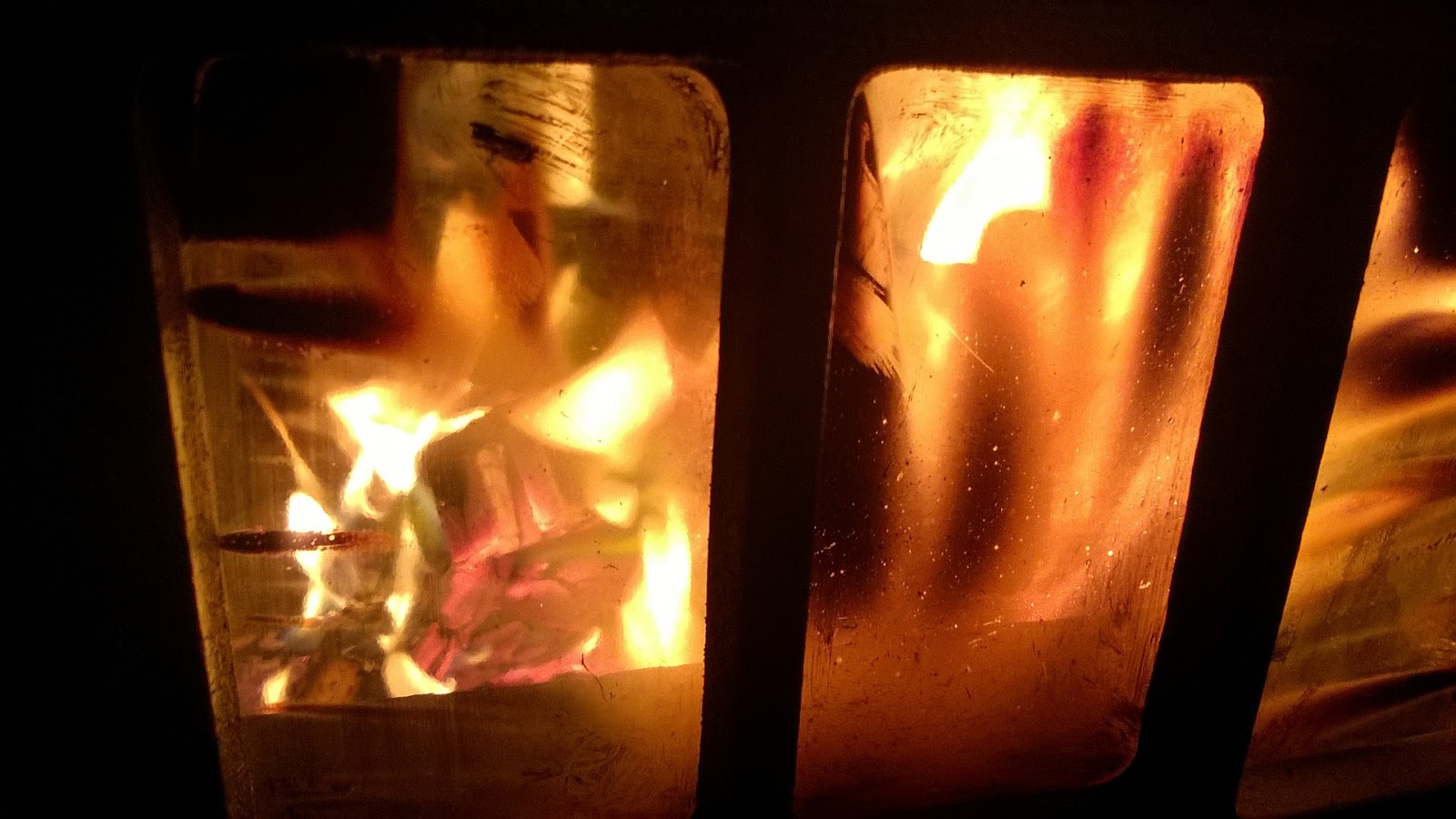
Into the Fire - Photographs


Into the Fire


Reflection


This series of Photographs correspond to my ongoing research surround ritual, myth and primal raw imagery. I was thoughtful about the way I displayed the images so that the lines continue, and although they break between images, form a sense of continuity around the series as a whole. By using strong warm colours the photographs appear richer and stronger. The flames dance ritualistic and lick the sides of the images, allowing the viewer to glimpse into another world. By adding a darkened self portrait into the mix, I comment on the burning of identity. 


run rabbit


Re-Hash of Run Rabbit 


I had a vision of women in War Time Army Uniform singing these lyrics. I imagine them being performed in some sort of show to keep up morale. I wrote down the lyrics and later sung them, upon doing so I was instantly transported into the same vision, and can see myself quite clearly in that world. I wonder if its a flash back from a past life, or a amalgamation of symbols I need to translate to understand a hidden message caught within my subconscious mind?


Mortality Photography


Mortality Symbolism 


Finding this dead bird upon walking down the street, I was hit with metaphor about death and mortality. The gentle nature of the sparrow shapely contrasts with the sombre melancholia of the image. The editing of this images changes its meaning further as it creates the impression that the bird is floating in mid air. The emotions that hit me upon seeing this poor creature was concern and sadness, I considered giving it a proper burial. However I was late for an appointment and was unsure where to bury it anyhow. I spoke a blessing onto its soul and walked on.